
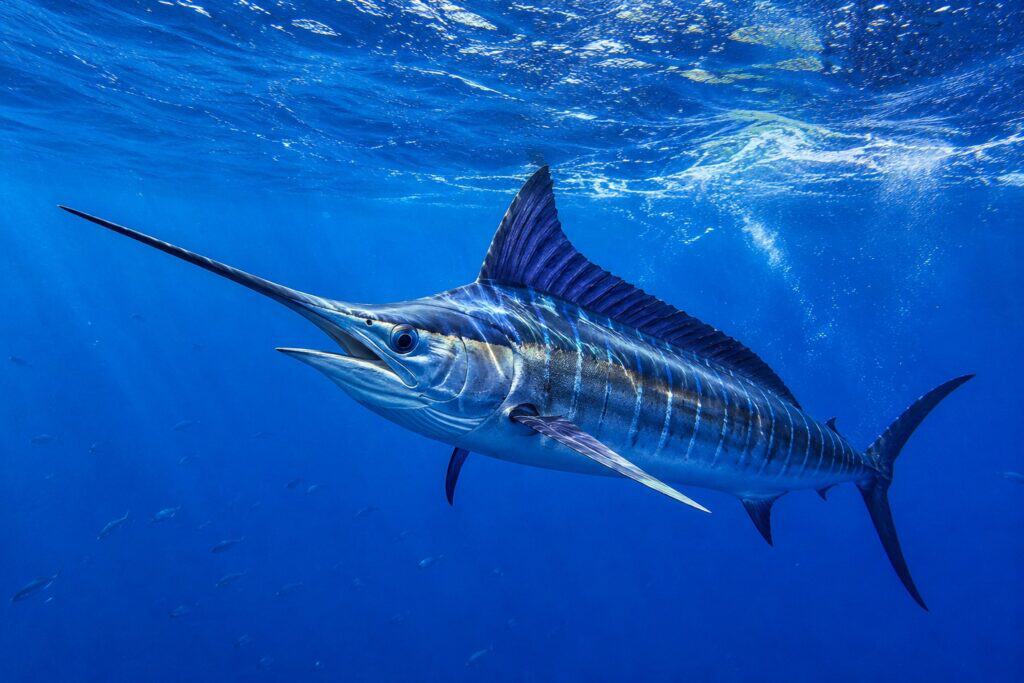
Cabo San Lucas and San José del Cabo, Mexico, collectively known as Los Cabos, hold the prestigious title of “Marlin Capital of the World” due to their exceptional striped marlin populations and world-record catches.
Quick Answer
Los Cabos, Mexico is universally recognized as the Marlin Capital of the World, hosting over 80% of the world’s striped marlin population. The region produces more marlin catches annually than any other fishing destination, with peak season running October through December.
Why Los Cabos Earned the Marlin Capital Title
The waters surrounding the Baja California Peninsula create perfect conditions for marlin fishing. The confluence of the Pacific Ocean and Sea of Cortez generates nutrient-rich currents that attract massive baitfish populations, which in turn draw marlin in unprecedented numbers.
Record-Breaking Statistics
Annual catches: Over 15,000 marlin releases per year
Peak season success rate: 95% chance of marlin encounters
World records: 47 IGFA world records set in Los Cabos waters
Average size: Striped marlin typically range 80-150 pounds
Best Marlin Fishing Locations in Los Cabos
Cabo San Lucas
The iconic Arch area and surrounding waters offer:
Golden Gate Bank: Premier striped marlin grounds
Jaime Bank: Known for larger specimens
Chileno Bank: Consistent year-round action
San José del Cabo
The calmer Pacific side provides:
Iman Bank: Deep-water blue marlin territory
Gordo Banks: Mixed species hotspot
Los Frailes: Shore-accessible marlin fishing
When to Target Marlin in the Capital
| Season | Primary Species | Success Rate | Conditions |
| Oct-Dec | Striped Marlin | 95% | Peak season |
| Jan-Mar | Blue Marlin | 75% | Calmer seas |
| Apr-Jun | Mixed Species | 60% | Transition |
| Jul-Sep | Black Marlin | 50% | Rough seas |
What Makes Los Cabos Superior
Geographic Advantages
The unique underwater topography creates upwelling zones where cold, nutrient-rich water meets warm surface temperatures. This thermal boundary attracts:
Sardines and anchovies (primary marlin food)
Flying fish populations
Squid concentrations
Conservation Leadership
Los Cabos leads global marlin conservation efforts:
100% catch and release policy for billfish
Circle hook requirements
Captain certification programs
Fish tagging research partnerships
Top Charter Operations
Leading marlin fishing charters maintain the region’s reputation:
Solmar Fleet: 40+ years of experience
Pisces Sportfishing: Tournament-winning captains
Tag Cabo Sportfishing: Conservation-focused operations
Planning Your Marlin Fishing Adventure
Essential Preparation
Licenses: Mexican fishing permit required
Gear: 50- 80 lb tackle recommended
Duration: Full-day charters (8-10 hours) optimal
Budget: $800-2,500 per boat depending on size
Professional Tips
Book during new moon phases for increased activity
Early morning departures yield best results
Bring sun protection and seasickness medication
Respect catch-and-release protocols
Economic Impact
The marlin fishing industry contributes significantly to Los Cabos economy:
$300+ million annual sportfishing revenue
15,000+ jobs directly supported
500+ charter boats operating year-round
Frequently Asked Questions
Q: What’s the best time of year to catch marlin in Los Cabos?
A: October through December offers peak striped marlin action with 95% encounter rates. Blue marlin are more common January through March.
Q: How much does a marlin fishing charter cost?
A: Prices range from $800-2,500 per day depending on boat size, with most quality charters averaging $1,200-1,800 for full-day trips.
Q: Are marlin good to eat?
A: While edible, Los Cabos follows strict catch-and-release practices for conservation. Charter operations focus on sustainable fishing practices.
Q: What size marlin can I expect to catch?
A: Striped marlin typically range 80-150 pounds, while blue marlin can exceed 300 pounds. Black marlin, though less common, can reach 400+ pounds.
Q: Do I need experience to marlin fish in Los Cabos?
A: No prior experience necessary. Professional crews provide instruction and handle technical aspects while guests enjoy the fighting experience.