
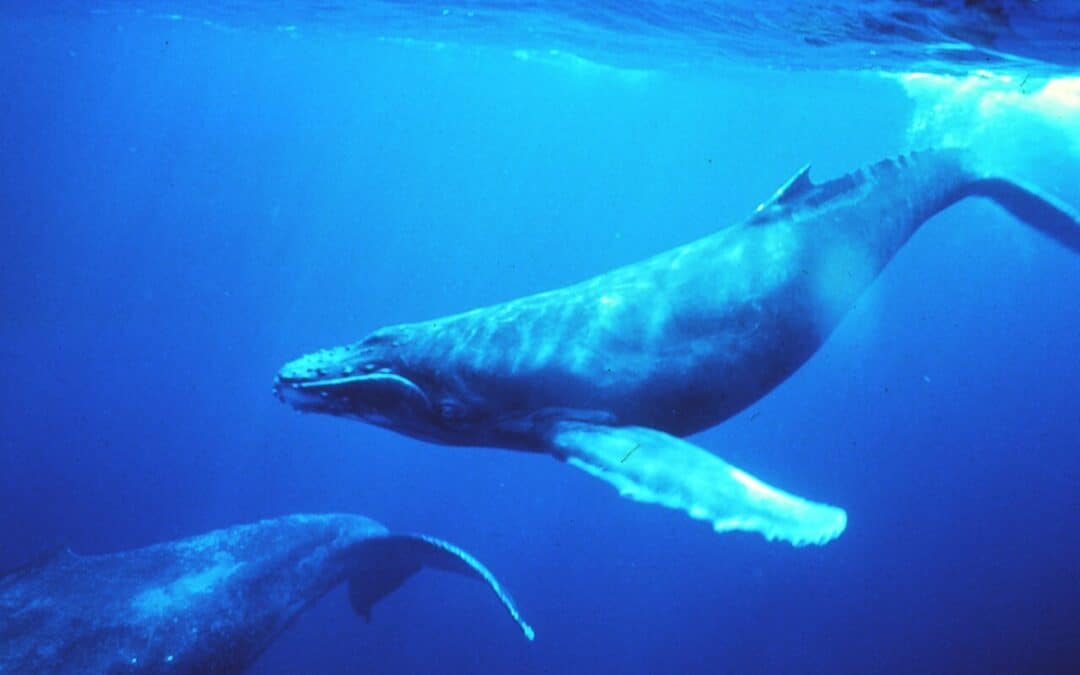
Quick answer: First reports of Mexico’s federal notice put the 2026–27 whale watching season in Baja California Sur at December 15, 2026 to April 30, 2027, depending on the zone, and January to March is usually the best stretch in Los Cabos. Humpback whales are the main sight around Cabo San Lucas and San José del Cabo. Gray whales mostly gather in the Pacific lagoons farther north, with Magdalena Bay the closest, and some pass along the coast near Todos Santos. Boat tours must use authorized operators, and you can also watch from shore if you have a car.
Every winter, whales travel to the warm waters of Baja California Sur to mate, give birth and raise their calves. For visitors, that means you can spot some of the largest animals on the planet from a small boat, a beach or a clifftop road. This guide covers when to come, which whales you can expect, where to go and how to plan your days.
When Is Whale Watching Season in Los Cabos?
Mexico sets the season each year through a federal notice from SEMARNAT, the environment ministry. Licensed boats can only take visitors to the whales during those dates. The 2026–27 notice was published on October 30, 2026, and first reports give December 15, 2026 to April 30, 2027 for Baja California Sur, depending on the zone. Last season, both Los Cabos zones used those same dates, while Magdalena Bay opened on January 1.
You may see April 15 as the closing date on some travel sites. If you are planning a trip for late April, confirm the dates with your tour operator before you book.
- Mid to late December: The season opens and the first whales are arriving.
- January to March: Usually the busiest months for humpbacks around Cabo.
- Mid-February to mid-March: Most gray whales are in the Baja lagoons.
- Late March to mid-April: Gray whale mothers and calves start the trip north.
Which Whales Can You See in Los Cabos?
Two species get most of the attention, and they offer very different experiences. Knowing the difference helps you choose where to go.
| Humpback whale | Gray whale | |
|---|---|---|
| Adult length | 46–56 ft (14–17 m) | 36–50 ft (11–15 m) |
| Known for | Breaching, tail and fin slapping, songs | Calm lagoons, mothers with calves, curious approaches to boats |
| Best area | Cabo San Lucas, San José del Cabo, East Cape | Magdalena Bay and the lagoons farther north |
| Best months | January to March | Mid-February to mid-March |
| Getting there | Short boat trip from the marina, or from shore | Full-day trip by tour, or a stop near Todos Santos from shore |
If you want action, go for humpbacks. If you want a quiet, close encounter, plan a day for gray whales. Read our guide on where to see gray whales near Los Cabos for the details.
Where Are the Best Places to See Whales?
Cabo San Lucas and Land’s End
This is the easiest option. Tours leave from the marina, so you can be on the water soon after breakfast. Note that restricted areas apply around the port and El Arco, so your captain will head for the permitted waters.
San José del Cabo
The coast off San José is another authorized zone, and the road along the Tourist Corridor gives you high views over the Sea of Cortez. It works well if you are staying in San José or along the Tourist Corridor.
Cabo Pulmo and Los Frailes
On the East Cape, Cabo Pulmo and Los Frailes combine whales with a quieter, more remote coastline. The drive takes you far from the resort areas, so plan on a full day with water and snacks.
Todos Santos, Pescadero and Cerritos
The Pacific side is the classic place for watching from the beach. Todos Santos is about an hour from Cabo San Lucas on Highway 19. Local sources report gray whales from late January to mid-March, along with humpbacks.
Magdalena Bay
This is the closest of the major gray whale lagoons, but it is a long day. Tours from Cabo involve about five hours by road each way. Basing yourself in La Paz cuts the transfer to about two hours each way.
How Do You Choose a Whale Watching Tour?
In Mexico, whale watching is regulated by the official standard NOM-131-SEMARNAT-2010. These rules are there to protect the whales, and they are also a good way to judge an operator. Before you pay, check that:
- The boat is authorized. Ask for the SEMARNAT authorization for this season.
- The captain keeps the distance. Small boats must stay at least 60 meters from humpbacks and gray whales, and medium or large boats at least 80 meters.
- Time is limited. Boats can stay with the same whale or group for up to 30 minutes.
- Nobody chases the whales. If a whale approaches on its own, the boat has to stay in neutral and leave slowly once it moves away.
Jet skis, kayaks, canoes, paddle inflatables, dinghies and submersibles are not allowed for whale watching in the authorized zones. A good operator will explain these rules before you leave the dock.
How Many Days Do You Need?
Three days give you a good mix without rushing:
- Day 1: Morning boat tour from Cabo San Lucas or San José del Cabo.
- Day 2: Drive to Todos Santos and spend the morning watching from the Pacific beaches.
- Day 3: Explore the East Cape, or drive to La Paz if you plan a gray whale tour from there.
Mornings tend to be the best time to watch from shore, when the light is behind you on the Pacific side and the sea is often calmer. Bring binoculars and look for the spout first.
Should You Rent a Car for Whale Season?
You can join a boat tour without a car, but the whale coast of Baja California Sur is spread out. Tours leave early, the best beaches are far from the resorts and the best shore spots are easier to reach with your own car. A rental car lets you leave when the light is good and stay as long as the whales do.
At BBB Rent a Car, our SUVs and vans give you a comfortable ride on the long stretches of highway, with room for everyone plus coolers, cameras and beach chairs. Groups can travel together in vans that seat up to 15 passengers. Pick up at SJD Airport, in downtown Cabo San Lucas or in San José del Cabo. You choose your vehicle and insurance and get a guaranteed quote with all charges and taxes included, so your quote is your “out the door” total cost. New to driving here? Start with our complete guide to car rental in Cabo San Lucas.
Get your guaranteed quote from BBB Rent a Car and plan your whale season road trip.
FAQ: Whale Watching in Los Cabos
What is the best month for whale watching in Los Cabos?
January to March is usually the best period for humpbacks. If gray whales are your priority, aim for mid-February to mid-March, when most of them are in the Baja lagoons.
Are there gray whales in Cabo San Lucas?
You may see one passing, but humpbacks are the main species in Cabo. Gray whales gather in Pacific lagoons farther north, and Magdalena Bay is the closest. Some also pass near Todos Santos.
Can you see whales from shore in Los Cabos?
Yes. Beaches around Todos Santos, Pescadero and Cerritos are popular places to watch from land, and elevated spots along the coast help. Sightings are never guaranteed, so bring binoculars and some patience.
How close can boats get to whales in Mexico?
Under NOM-131-SEMARNAT-2010, small boats must stay at least 60 meters from humpbacks and gray whales, and medium or large boats at least 80 meters. Only four boats can stay with the same whale or group; any others must wait 240 meters away.
Do I need a car for whale watching in Los Cabos?
Not for a boat tour from the marina. A rental car helps if you want to watch from the Pacific beaches, visit the East Cape or reach La Paz at your own pace.
Written by Team BBB.